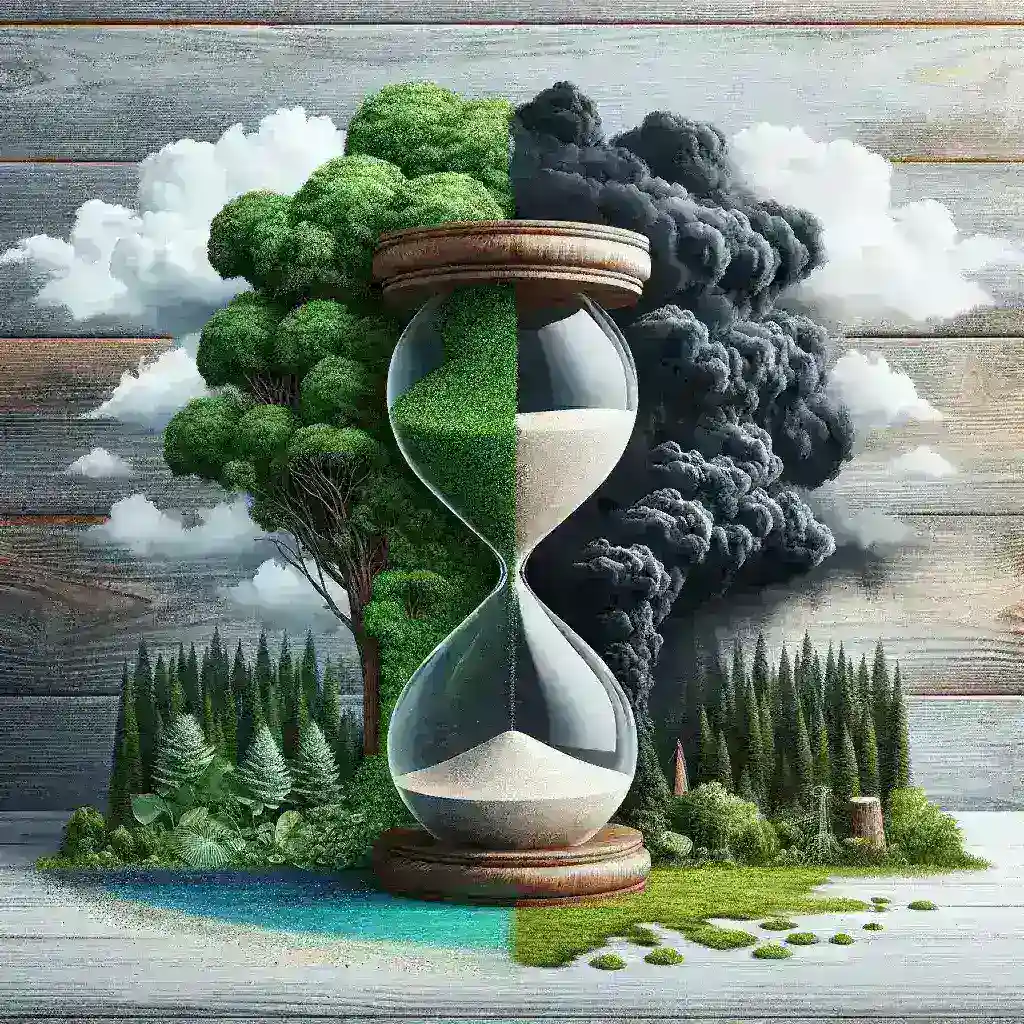
Understanding the Keep-It-Longer Philosophy
The keep-it-longer philosophy is a growing movement among various brands that emphasizes the importance of durability, repairability, and sustainability in their products. This approach challenges the traditional mindset of planned obsolescence, where products are designed to have a limited lifespan, often leading to increased waste and carbon emissions. By adopting this philosophy, brands not only aim to provide consumers with high-quality products that stand the test of time but also take significant steps toward reducing their environmental impact.
The Historical Context
The concept of durability in consumer goods is not new. Historically, products were designed to last, often passed down through generations. However, with the rise of mass production and consumerism in the mid-20th century, the focus shifted towards creating cheaper, disposable items. This shift contributed to a culture of wastefulness, resulting in significant environmental consequences.
Planned Obsolescence and Its Impact
Planned obsolescence has led to a cycle of consumption that increases carbon emissions. When products are designed to fail or become outdated quickly, consumers are compelled to purchase replacements more frequently. This cycle not only contributes to landfill waste but also increases the carbon footprint associated with manufacturing, transportation, and disposal of goods.
Brands Embracing the Keep-It-Longer Philosophy
Several brands are leading the charge in promoting the keep-it-longer philosophy:
- Patagonia: Known for its commitment to sustainability, Patagonia encourages customers to repair and reuse their clothing, offering repair services and even creating an online platform to share repair tips.
- IKEA: In recent years, IKEA has shifted its focus towards sustainability by designing products that are easier to dismantle and recycle, promoting a circular economy.
- Levi’s: Levi’s has launched initiatives to produce jeans that last longer and can be repaired, thus reducing the need for consumers to buy new pairs frequently.
Benefits of the Keep-It-Longer Philosophy
Adopting a keep-it-longer approach has several advantages:
- Environmental Impact: Reducing waste and carbon emissions is a primary benefit. Durable products lead to less frequent replacements, ultimately lowering the overall carbon footprint.
- Consumer Empowerment: This philosophy empowers consumers to make informed choices, encouraging them to invest in quality over quantity.
- Brand Loyalty: Brands that prioritize sustainability often enjoy increased loyalty from consumers who value environmental responsibility.
Challenges to Implementation
While the keep-it-longer philosophy presents numerous benefits, implementation can be challenging:
- Cost of Production: High-quality, durable materials often come at a higher cost, which may deter some brands from adopting this approach.
- Consumer Mindset: Changing consumer habits and perceptions about durability and sustainability requires significant education and awareness.
- Supply Chain Complexity: Developing a supply chain that supports sustainable practices can be intricate and require time and investment.
Future Predictions
The future of the keep-it-longer philosophy looks promising. As awareness of climate change and environmental issues grows, consumers are increasingly seeking brands that align with their values. Experts predict:
- Increased Demand: There will be a surge in demand for sustainable products, leading more brands to adopt the keep-it-longer philosophy.
- Legislation and Standards: Governments may introduce regulations that encourage or mandate sustainability practices in industries.
- Innovation in Design: Brands will innovate product designs, focusing on repairability and modularity to extend product lifespans.
Conclusion
The keep-it-longer philosophy represents a significant shift in consumer behavior and brand responsibility. By focusing on durability, repairability, and sustainability, brands not only reduce their carbon emissions but also foster a culture of mindful consumption. As we move forward, it is essential for consumers and brands alike to embrace this philosophy, thereby contributing to a healthier planet for future generations.
Leave a Reply