Introduction
In a world increasingly threatened by natural disasters, maintaining communication is vital, especially in regions prone to wildfires. Recognizing this challenge, Verizon has unveiled an innovative solution: disaster-proof mobile network hubs designed specifically for wildfire regions. This initiative not only enhances connectivity during emergencies but also strengthens community resilience against the devastating effects of wildfires.
The Need for Disaster-Proof Solutions
Wildfires have become a significant concern globally, particularly in the western United States. According to the National Interagency Fire Center, wildfires burned over 10 million acres in the U.S. in 2020 alone. During such crises, reliable communication becomes crucial for emergency responders and affected citizens alike.
Challenges Faced During Wildfires
- Communication Breakdown: Traditional communication infrastructure often fails during severe weather conditions, leaving communities isolated.
- Emergency Response: First responders depend on effective communication to coordinate rescue and recovery efforts.
- Public Safety: Keeping residents informed about evacuation orders and safety measures is paramount.
Verizon’s Innovative Approach
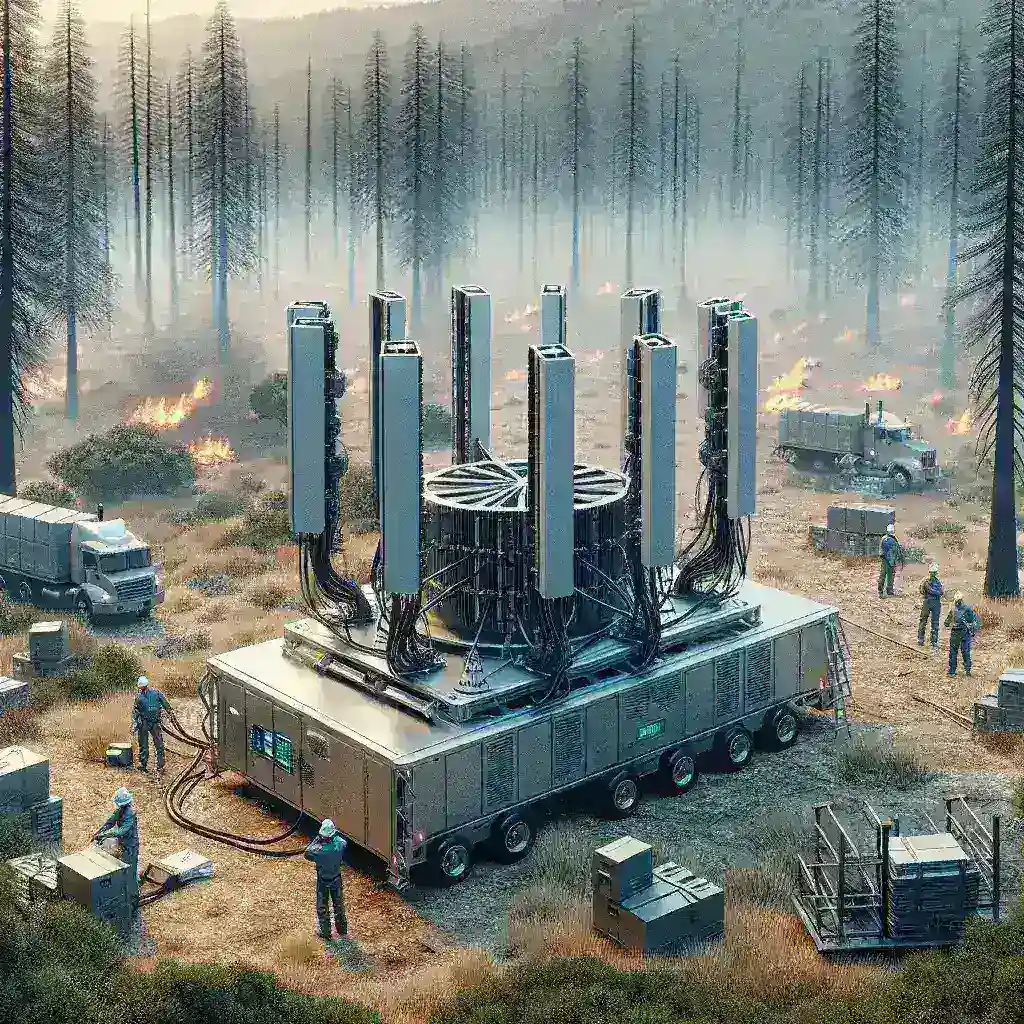
To address these pressing issues, Verizon has developed mobile network hubs that are resistant to extreme heat, smoke, and other hazardous conditions associated with wildfires. These hubs serve as a reliable communication link, ensuring that communities can stay connected when it matters most.
Key Features of Disaster-Proof Mobile Network Hubs
- Durable Construction: Built to withstand harsh environmental conditions, these hubs can function effectively even in extreme temperatures.
- Rapid Deployment: Verizon can quickly set up these mobile hubs in response to impending wildfire threats, enhancing local communication capabilities.
- Advanced Technology: Equipped with the latest telecommunications technology, these hubs ensure high-speed internet access and voice communication.
Real-World Applications
The deployment of disaster-proof mobile network hubs has profound implications for communities at risk of wildfires. For instance, during the 2021 wildfire season in California, Verizon’s hubs were vital in keeping communication lines open in affected areas.
Case Study: The 2021 California Wildfires
In California, as wildfires raged, Verizon quickly deployed its mobile network hubs to several impacted regions. This action allowed first responders to coordinate efforts and provided residents with critical information on evacuation routes and safety protocols.
Community Impact
The presence of these hubs significantly reduced communication disruptions, thereby enhancing community safety and response times. Residents reported feeling more secure knowing they could reach emergency services and receive timely updates.
Looking Ahead: Future Predictions
As natural disasters become increasingly frequent due to climate change, companies like Verizon must innovate and adapt to the needs of communities. The introduction of disaster-proof mobile network hubs is a step in the right direction, but ongoing improvements are essential.
Potential Enhancements
- Integration with IoT: Future hubs could integrate with Internet of Things (IoT) devices to provide real-time data on environmental conditions.
- Increased Capacity: Developing hubs with greater capacity could accommodate more users during peak times of crisis.
- Community Engagement: Involving local communities in the planning and deployment of these hubs may improve effectiveness and trust.
Pros and Cons of Disaster-Proof Hubs
Advantages
- Improved Communication: Enhanced connectivity during emergencies.
- Community Resilience: Better preparedness for future disasters.
- Safety Assurance: Increased public safety through timely information dissemination.
Challenges
- Cost: The deployment and maintenance of these hubs require substantial investment.
- Technological Limitations: Continuous advancements are needed to keep up with evolving challenges.
Conclusion
Verizon’s launch of disaster-proof mobile network hubs marks a significant advancement in the fight against the communication challenges posed by wildfires. By prioritizing the safety and connectivity of communities in wildfire-prone areas, Verizon sets a precedent for how technology can mitigate the impacts of natural disasters. As this initiative evolves, it could serve as a model for other regions facing similar threats, ensuring that no community faces disaster without the means to communicate.
Leave a Reply