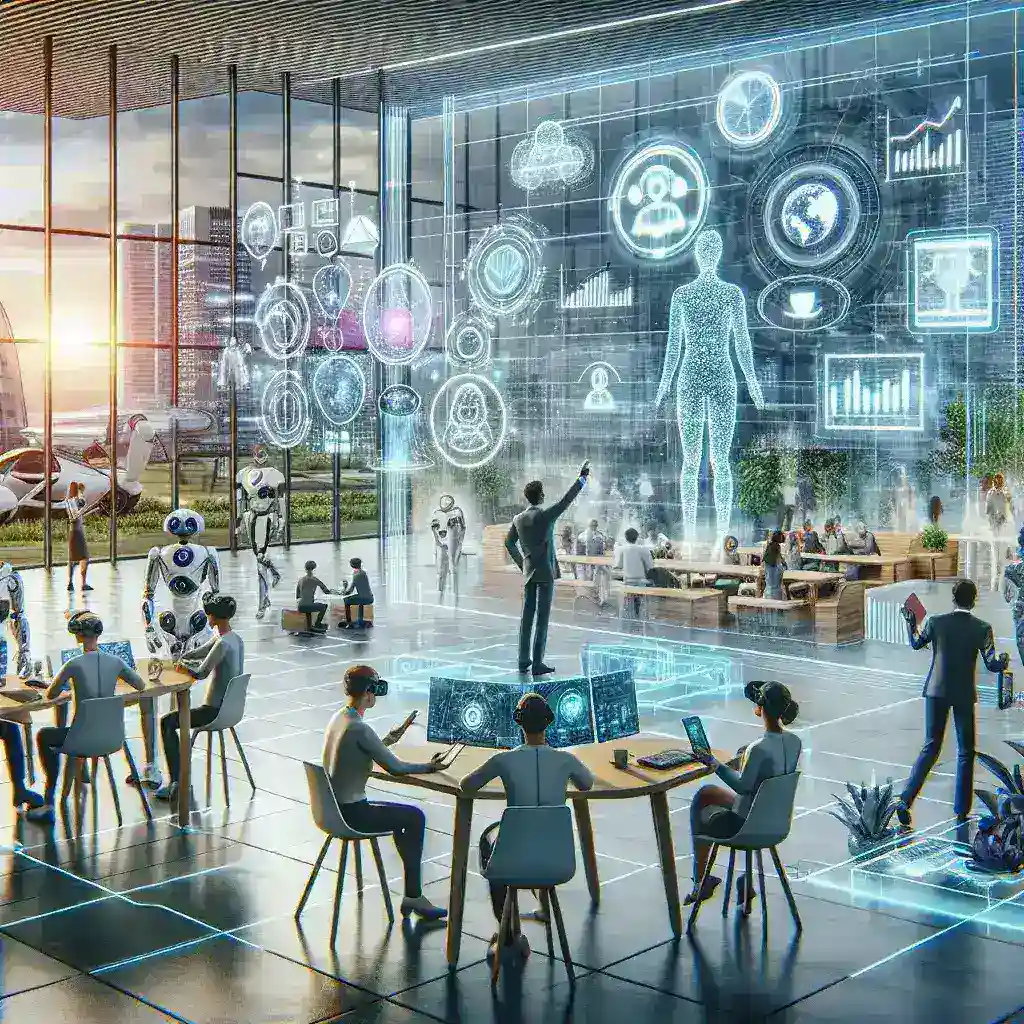
The Digital Revolution in the Workplace
The landscape of work is undergoing a dramatic transformation, driven by rapid technological advancement and changing societal needs. This comprehensive exploration delves into how technology is reshaping our professional lives and the way we approach work in the 21st century.
Remote Work: The New Normal
The COVID-19 pandemic accelerated the adoption of remote work, but technology had been paving the way for this transition long before. Modern collaboration tools, cloud computing, and high-speed internet have made it possible for teams to work effectively from anywhere in the world.
- Virtual meeting platforms enabling face-to-face communication
- Cloud-based project management tools enhancing team coordination
- Digital workflow solutions streamlining processes
- Secure VPN connections ensuring data protection
Automation and Artificial Intelligence
As we move forward, automation and AI are becoming increasingly integral to the workplace. These technologies are not just changing how we work but are creating new opportunities and challenges.
Impact of Automation
- Increased efficiency in routine tasks
- Enhanced accuracy in data processing
- Reduction in human error
- Creation of new job roles and industries
AI in the Workplace
Artificial Intelligence is revolutionizing decision-making processes and enabling more sophisticated analysis of business data. From predictive analytics to customer service chatbots, AI is becoming an indispensable tool in modern business operations.
Digital Skills and Future Workforce
The evolving technological landscape demands a workforce equipped with new skills and capabilities. Continuous learning and adaptation have become essential for professional success.
Essential Skills for the Future
- Digital literacy and technical proficiency
- Data analysis and interpretation
- Cybersecurity awareness
- Adaptive thinking and problem-solving
- Virtual collaboration and communication
Work-Life Integration
Technology has blurred the lines between professional and personal life, leading to a new concept of work-life integration. Smart devices and mobile connectivity have created both opportunities and challenges in maintaining a healthy balance.
Benefits and Challenges
- Increased flexibility in working hours
- Better work-life balance opportunities
- Risk of burnout from constant connectivity
- Need for digital wellness strategies
The Rise of the Gig Economy
Digital platforms and mobile technology have given rise to the gig economy, transforming how people find work and offer services. This new model offers unprecedented flexibility but also brings unique challenges.
Impact on Traditional Employment
- Increased flexibility for workers
- Access to global opportunities
- New challenges in job security
- Evolution of worker protections and benefits
Sustainability and Environmental Impact
Technology is enabling more sustainable work practices, reducing the environmental impact of business operations through:
- Reduced commuting through remote work
- Paperless offices and digital documentation
- Energy-efficient cloud computing
- Smart building management systems
Looking Ahead: The Next Decade
As we look to the future, several key trends are likely to shape the workplace:
- Extended reality (XR) in virtual offices
- Blockchain technology in business processes
- Internet of Things (IoT) integration
- Advanced robotics and automation
- Quantum computing applications
Preparing for the Future
To thrive in the evolving workplace, individuals and organizations must:
- Embrace continuous learning and skill development
- Adopt agile working methodologies
- Invest in digital infrastructure
- Prioritize cybersecurity and data protection
- Foster a culture of innovation and adaptation
Conclusion
The future of work is being shaped by technological advancement at an unprecedented pace. While this transformation brings challenges, it also offers exciting opportunities for innovation, efficiency, and improved work-life integration. Success in this new era requires adaptability, continuous learning, and a willingness to embrace change. As we move forward, the key to thriving in the workplace of tomorrow lies in understanding and leveraging these technological advances while maintaining our human touch and creativity.
Leave a Reply