Understanding the New TSA Initiative
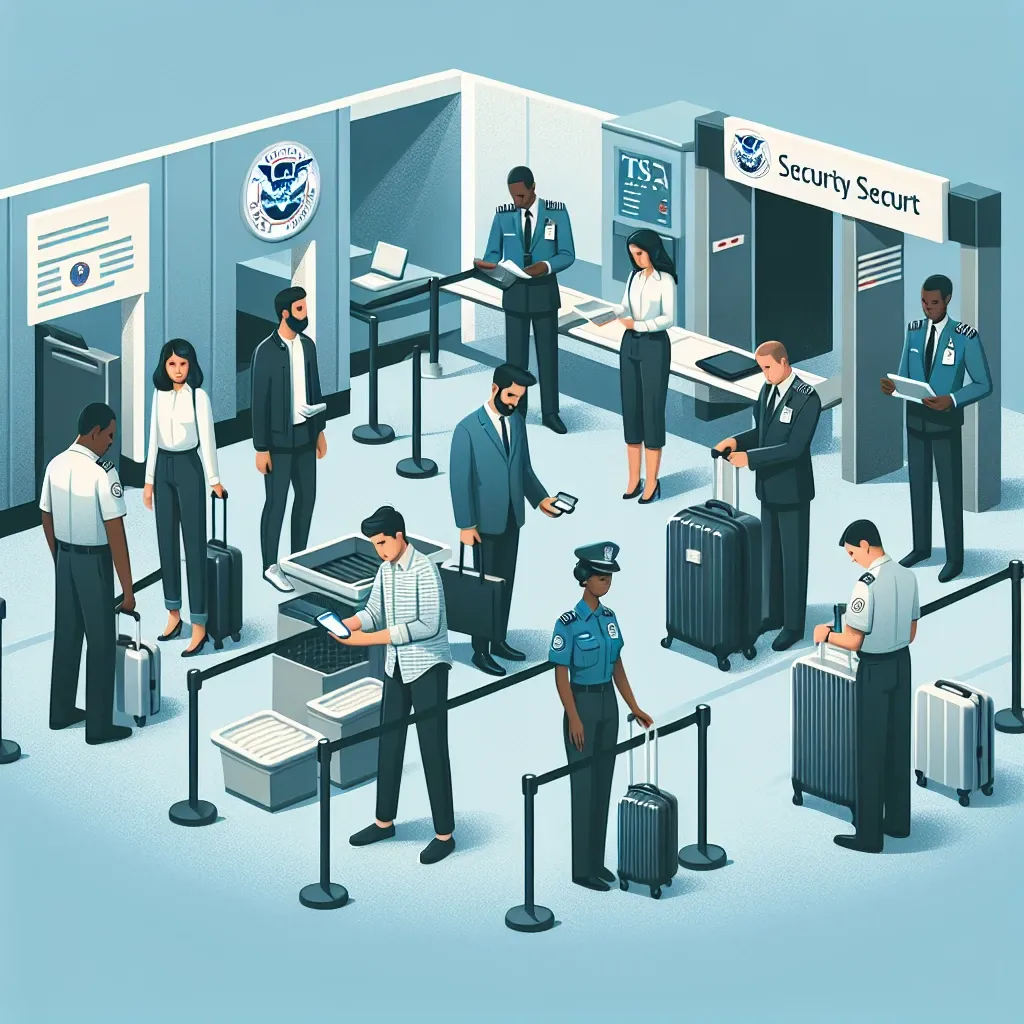
In a world where technology constantly evolves, the importance of streamlining airport security processes has never been more significant. The Transportation Security Administration (TSA) is testing a new initiative that allows travelers to use digital receipts for electronics inspection exemptions. This innovative approach aims to reduce wait times and enhance the overall travel experience. In this article, we delve into the details of this initiative, its implications for travelers, and what it means for the future of airport security.
The Rationale Behind Digital Receipts
As travelers increasingly carry multiple electronic devices – from laptops to tablets and smartphones – the TSA’s traditional inspection process can lead to lengthy delays at security checkpoints. The introduction of digital receipts aims to address these challenges effectively. By allowing passengers to present proof of purchase for their electronics, the TSA hopes to expedite the screening process, thus alleviating some of the congestion commonly associated with airport security lines.
How Does It Work?
The TSA’s testing phase involves a simple yet effective system. Travelers will be required to show a digital receipt on their mobile devices when they present their electronics for screening. This receipt can be from an online purchase or a digital version of a paper receipt. The TSA agents, equipped with necessary technology, will verify the receipt, allowing for faster processing of individual items.
Key Benefits of Digital Receipts
- Reduced Wait Times: By streamlining the inspection process, travelers can expect shorter lines and quicker passage through security.
- Enhanced Security: Digital verification offers a more efficient way to confirm the legitimacy of the items being carried, reducing the risk of false alarms.
- Convenience: Travelers can easily access their receipts on their smartphones, eliminating the need to fumble through paper documents.
Historical Context of TSA Security Measures
The TSA has steadily evolved its security protocols since its establishment in the wake of the September 11 attacks. Initially focused on implementing rigorous screening for all passengers and their belongings, the organization has sought to adapt to changing technologies and traveler behaviors over the years. Initiatives such as the PreCheck program and the recent introduction of biometric screening at various airports are testament to the TSA’s commitment to improving security without compromising efficiency.
The Future of Airport Security with Digital Innovations
As the TSA continues to test digital receipts, it is also exploring other technological advancements that could further enhance the airport security experience. RFID technology, facial recognition, and artificial intelligence are just a few examples of innovations that could one day integrate with TSA procedures. These technologies promise to create a more seamless experience for travelers while maintaining high security standards.
Expert Insights
To gain a deeper understanding of the implications of this initiative, we spoke to travel security expert, Dr. Jane Smith. “The TSA’s move to test digital receipts is a proactive approach in a fast-paced digital world. As travel becomes increasingly technology-driven, adapting security procedures to reflect these changes is critical,” she stated. Dr. Smith believes that if successful, this initiative could pave the way for further digital innovations within the TSA.
Potential Challenges and Concerns
While the digitization of receipts presents promising benefits, there are potential challenges that need to be addressed:
- Digital Security: Ensuring that the digital receipts cannot be easily forged or tampered with is paramount to maintain trust in the system.
- Technical Issues: Dependence on technology means that connectivity issues could arise, potentially delaying the screening process.
- Traveler Adaptation: Some travelers may be unfamiliar with using digital receipts, and adequate education will be necessary to facilitate a smooth transition.
Comparing Digital and Traditional Receipts
When comparing digital receipts to traditional paper receipts, the benefits of going digital become evident:
- Accessibility: Digital receipts can be stored and accessed on multiple devices, making them readily available.
- Environmentally Friendly: Reducing paper waste aligns with global sustainability efforts.
- Streamlined Organization: Digital receipts can be easily categorized and searched, simplifying record-keeping for travelers.
Conclusion: A Step Towards Smarter Travel
The TSA’s testing of digital receipts for electronics inspection exemptions is an exciting development that reflects the growing trend towards digitization in travel. By embracing technology, the TSA aims to enhance the security experience while meeting the demands of modern travelers. As tests continue, it will be interesting to see how these initiatives evolve and shape the future of airport security.
What Lies Ahead?
Looking ahead, as the TSA gathers data from these tests, it will be crucial for travelers to stay informed about any changes or requirements that may arise. The possibility of a more efficient screening process could significantly improve the travel experience, but this will require cooperation from both the TSA and the flying public. As we move into an era where technology increasingly intersects with our daily lives, initiatives like these demonstrate the TSA’s commitment to innovation in the realm of travel security.
Leave a Reply