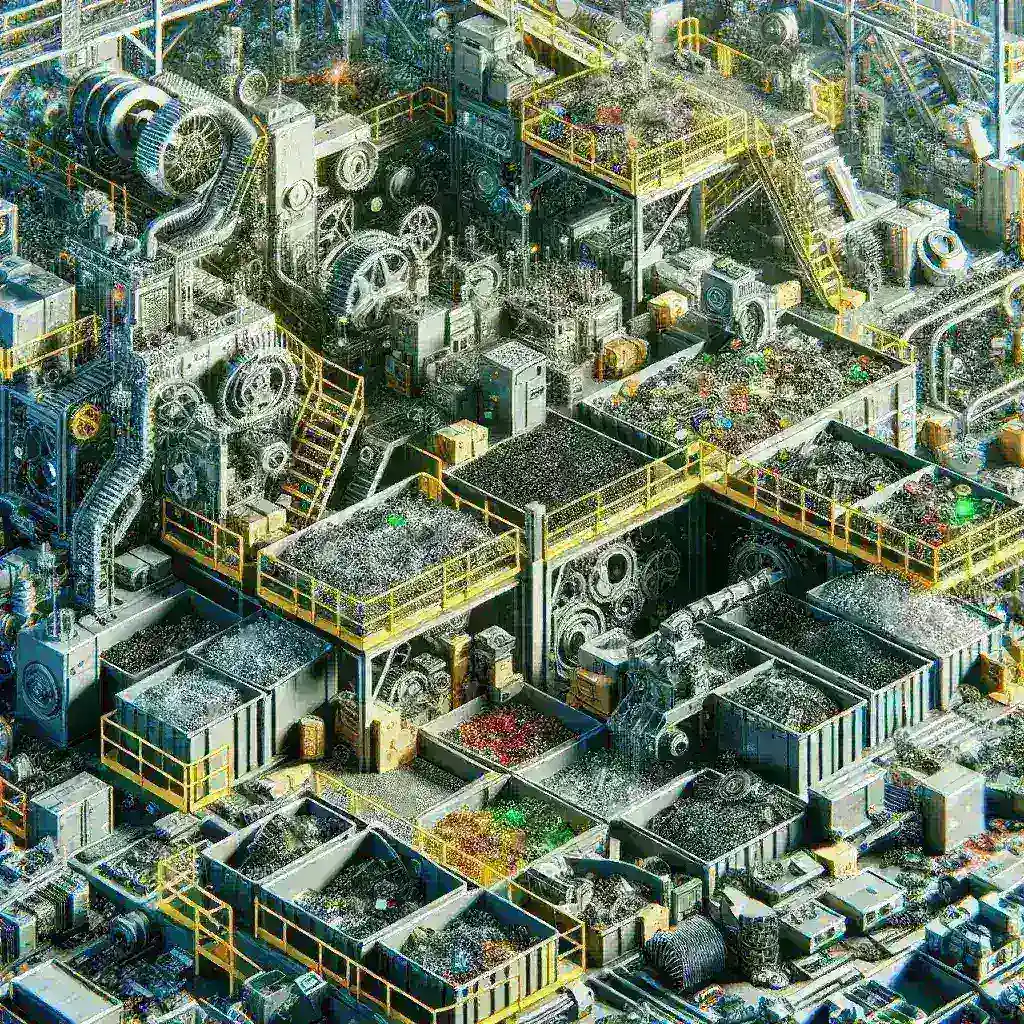
Understanding E-waste and Its Impact
In our digital age, the rapid advancement of technology has led to an unprecedented increase in electronic waste, commonly referred to as e-waste. This term encompasses a wide variety of discarded electronic devices, including smartphones, computers, televisions, and other gadgets. With millions of tons generated each year, the environmental impact of improper disposal is alarming.
Approximately 50 million tons of e-waste are produced globally every year, with only a fraction being recycled properly. This waste contains precious metals and rare earth elements critical for modern technology, including gold, silver, palladium, and various rare earth elements (REEs).
The Need for E-waste Recycling
As technology continues to evolve, the need for sustainable methods to manage e-waste becomes more pressing. E-waste not only contributes to landfills but can also leach harmful substances into the environment, posing health risks to communities. Thus, e-waste recycling programs have emerged as a vital solution to recover valuable materials and reduce environmental harm.
What are Rare Earth Elements?
Rare earth elements, despite their name, are not exceedingly rare in terms of abundance in the Earth’s crust. However, they are challenging to extract and refine, which adds to their value. These elements play a significant role in the manufacturing of high-tech devices, electric vehicles, batteries, and renewable energy technologies.
E-waste Recycling Programs: A Deeper Look
E-waste recycling programs are designed to recover valuable materials from discarded electronics through a systematic process. These programs not only aim to mitigate environmental damage but also to reclaim precious metals and rare earth elements that can be reused in new products.
The Recovery Process
The recovery of rare earth elements through e-waste recycling typically involves several steps:
- Collection: E-waste is gathered from various sources, including consumer drop-off locations, electronic retailers, and designated collection events.
- Sorting: Once collected, e-waste is sorted by type and material composition to streamline the recycling process.
- Dismantling: The devices are carefully dismantled to separate components, facilitating the extraction of reusable materials.
- Processing: Advanced technologies, including hydrometallurgical and pyrometallurgical methods, are employed to recover rare earth elements efficiently.
- Refinement: The extracted materials undergo purification processes to ensure their quality before being reintroduced into the manufacturing supply chain.
Statistics and Success Rates
Recent studies reveal that cutting-edge e-waste recycling programs can recover up to 95% of rare earth elements from discarded electronics. This remarkable efficiency not only contributes to resource conservation but also promotes a circular economy where materials are continuously reused.
Benefits of E-waste Recycling Programs
The implementation of e-waste recycling programs has numerous benefits:
- Environmental Protection: Recycling reduces the amount of e-waste in landfills, decreasing the risk of soil and water contamination.
- Resource Conservation: By recovering valuable materials, these programs help conserve natural resources and reduce the need for new mining.
- Economic Opportunities: The recycling industry creates jobs in collection, processing, and manufacturing, contributing to economic growth.
- Innovation: E-waste recycling fosters technological advancements in recovery methods, making the processes more efficient and environmentally friendly.
Global Initiatives and Legislation
Several countries have implemented regulations and initiatives to promote e-waste recycling. For instance, the European Union’s Waste Electrical and Electronic Equipment Directive (WEEE) sets collection, recycling, and recovery targets for e-waste. Similar laws are being proposed worldwide to encourage responsible disposal and recycling.
Future of E-waste Recycling
Looking ahead, the future of e-waste recycling programs appears promising. As technology continues to advance, the demand for rare earth elements is expected to grow, making efficient recovery methods increasingly vital. Moreover, public awareness of e-waste impact is on the rise, encouraging more individuals to participate in recycling efforts.
Challenges Ahead
Despite the progress in e-waste recycling, challenges remain. The illegal dumping of e-waste continues to be a significant issue, particularly in developing countries where regulations may be lacking. Additionally, the complexity of modern electronics poses challenges in efficiently recovering materials.
Conclusion
The recovery of rare earth elements from discarded electronics through e-waste recycling programs is critical in today’s technology-driven society. With the potential to recover up to 95% of these valuable materials, these programs not only contribute to environmental sustainability but also foster economic growth and innovation. Embracing e-waste recycling is a step toward a more sustainable future, benefiting both our planet and society.
Leave a Reply